
What the 2025 immigration changes mean for international students

If you're a current international student, thinking about studying in the UK, or simply exploring your options, here's what you need to know about the proposed immigration changes
Graduate visa cut to 18 months
In the past, international students could stay in the UK for up to two years after finishing their degree using the Graduate Route visa. This gave them time to get work experience, find a skilled job, or switch to another type of visa.
Under the new government plans, this period would be cut to 18 months. The visa still doesn't need a job offer or a minimum salary for eligibility, but the shorter time gives students less flexibility.

What this means for you:
- Less time to find a job after graduation.
- Increased pressure to secure employment or sponsorship quickly.
- Those in slower hiring industries, like the arts or public sector, may be disproportionately affected.
What you can do:
- Start your job search early - don't wait until after graduation. Search for graduate jobs in the UK.
- Use your university's career service for CV help, job boards, and interview tips.
- Consider applying for internships during your studies to build experience and employer relationships.
Possible tuition fee rises
The government is considering adding an extra charge on international student tuition fees for institutions. This would mean universities must give part of the money they earn from overseas students back to the government.
Universities probably won't cover this cost themselves. Most will need to pass it on to students by either:
- raising fees for international students, or
- cutting back on support services to offset the cost.
This could make studying in the UK significantly more expensive, especially for multi-year programmes like undergraduate or PhD degrees, and could particularly affect non-Russell Group universities that rely heavily on international income.

What you can do:
-
Ask your university if tuition is fixed for your entire course or subject to annual increases. Explore our university profiles.
- Look into scholarships and bursaries early.
- Be cautious with institutions offering unusually low fees - this may be unsustainable long term.
Increased scrutiny on universities
Under the proposed rules, UK universities will have to follow stricter rules and face tighter accreditation rules:
- course completion rate must be at least 90%, an increase from the previous threshold of 85%.
- course enrolment rate must be at least 95%, up from the earlier requirement of 90%.
- visa refusal rate must now be below 5%, reduced from the previous limit of 10%.
These new rules are intended to make sure schools are strict about student visas, attendance, and course quality.
They also must demonstrate awareness of the 'local impact' of hosting international students to keep their ability to enrol international students, including:
- community relations
- housing
- public services.
This could be harder for smaller universities that may not have the resources to keep up with these new requirements. As a result, some schools could lose their licence to accept international students in the future.

What you can do:
- Research your institution's visa compliance history and academic reputation using official leaderboards like the QS World University Rankings.
- Look for universities that are Highly Trusted Sponsors and well-reviewed by alumni.
- Confirm that a UK university is a recognised degree-awarding body by using the Higher Education Degree Datacheck (HEDD).
Higher English language requirements
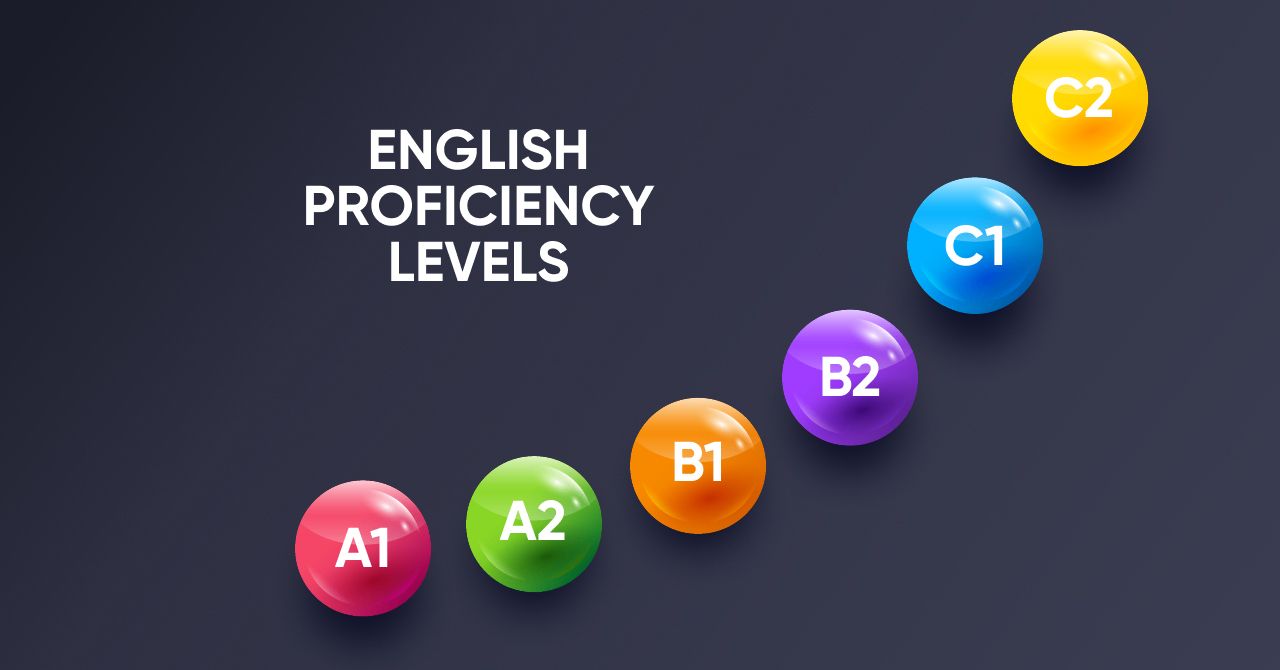
The government propose new rules that make English language standards more strict for international students and their dependants. Under the changes, you would need to be at least an upper intermediate, B2 level of English, and the requirement is expected to increase even more over time.
What this means for you:
- Some students may be refused a visa if they fail to meet the new standards.
- Students from non-English speaking countries may face extra testing and costs.
What you can do:
- Invest early in English language training, especially academic English.
- Prepare for IELTS or TOEFL with official guides or certified courses.
- Remember the long-term benefits. Strong English skills not only help with visas, but also with your studies and graduate employability.
Settling in the UK now takes longer
In the past, international graduates on a work visa could apply for Indefinite Leave to Remain (ILR) - which is permanent residency - after just five years.
Under the new rules, you could now have to wait ten years before you can apply. This makes it harder, and more expensive, to settle in the UK long-term.

What this means:
- You'll need a longer, uninterrupted work history to settle in the UK.
- You may decide to leave the UK before you become eligible for ILR.
Tougher job market access
The rules for getting a job in the UK after your studies could become more strict under the new Skilled Worker visa system. To qualify, the job you get will now have to be at a RQF Level 6 skill level or above, which means it has to be at the level of a Bachelors degree or higher.
For more details, see our guide to qualifications.

What this means for you:
- You must find a job that matches your qualifications and is officially considered a high-level role.
- STEM fields (science, technology, engineering, maths) and finance still offer good chances for visa sponsorship.
- If you studied arts, social sciences, or hospitality, it may be harder to find jobs that meet the visa requirements.
What you can do to improve your chances:
- Build skills that employers look for, such as coding, data analysis, or digital marketing.
- Start networking early. Attend career fairs and connect with employers who are licensed to sponsor Skilled Worker visas.
- If your current degree limits your job options, think about doing a Masters degree in a subject with stronger job prospects in the UK.


Write A Comment